
Spreading Legs and Yoga Flexibility: Enhancing Mobility and Strength
Video bellow:

Yoga is an ancient practice that promotes physical, mental, and spiritual well-being. One of the key aspects of yoga is flexibility, particularly in the legs and hips, which plays a vital role in improving posture, mobility, and overall health. Spreading the legs in yoga postures can help stretch and strengthen muscles, reduce stiffness, and enhance circulation. Whether you’re a beginner or an advanced practitioner, incorporating leg-spreading poses into your routine can unlock new levels of flexibility and strength.
Benefits of Spreading Legs in Yoga
-
Enhances Hip Flexibility – Many people have tight hip flexors due to prolonged sitting. Yoga poses that involve spreading the legs, such as Upavistha Konasana (Wide-Angle Seated Forward Bend) and Prasarita Padottanasana (Wide-Legged Forward Fold), help to open the hips, releasing built-up tension and increasing mobility.
-
Strengthens Inner Thighs and Hamstrings – Deep stretches like Goddess Pose (Utkata Konasana) and Straddle Splits (Samakonasana) target the adductors (inner thigh muscles) and hamstrings, helping to build both flexibility and strength. Stronger leg muscles contribute to better balance and stability in other yoga poses and daily activities.
-
Improves Spinal Health and Posture – Many leg-spreading yoga poses also encourage a straight spine, helping to correct poor posture. For example, when practicing Seated Wide-Legged Forward Fold, keeping the back long and avoiding rounding helps improve spinal alignment.
-
Increases Circulation and Blood Flow – When we stretch and open our legs, blood flow to the lower body improves, delivering oxygen and nutrients to the muscles. This can help reduce muscle soreness, prevent injuries, and enhance recovery after workouts.
-
Supports Mental Relaxation and Mindfulness – Deep stretching requires patience and breath control, which are essential elements of yoga. Holding wide-legged poses with deep breathing can activate the parasympathetic nervous system, promoting relaxation and reducing stress.

Yoga Poses for Spreading Legs and Flexibility
- Wide-Legged Forward Fold (Prasarita Padottanasana) – This standing pose deeply stretches the hamstrings, calves, and lower back while encouraging blood flow to the brain.
- Seated Wide-Legged Forward Fold (Upavistha Konasana) – A great seated stretch for the inner thighs, hamstrings, and groin, promoting hip flexibility.
- Frog Pose (Mandukasana) – Targets the groin and inner thighs, helping to open tight hip muscles.
- Goddess Pose (Utkata Konasana) – Strengthens the thighs, glutes, and core while promoting flexibility in the hips.
- Straddle Splits (Samakonasana) – An advanced pose that challenges full leg flexibility and strength.

Tips to Improve Leg Flexibility in Yoga
- Warm Up First: Always start with gentle movements like leg swings, hip circles, or light stretching before attempting deep flexibility poses.
- Use Props: Yoga blocks, bolsters, or straps can help ease into stretches safely.
- Breathe Deeply: Proper breathing helps muscles relax, allowing deeper stretches.
- Be Consistent: Flexibility takes time, so practicing regularly will yield better results.

Conclusion
Yoga flexibility, especially through spreading-leg poses, offers a powerful way to enhance strength, mobility, and relaxation. By incorporating these poses into your daily routine, you can unlock greater flexibility, improve posture, and enjoy a deeper connection between your body and mind.
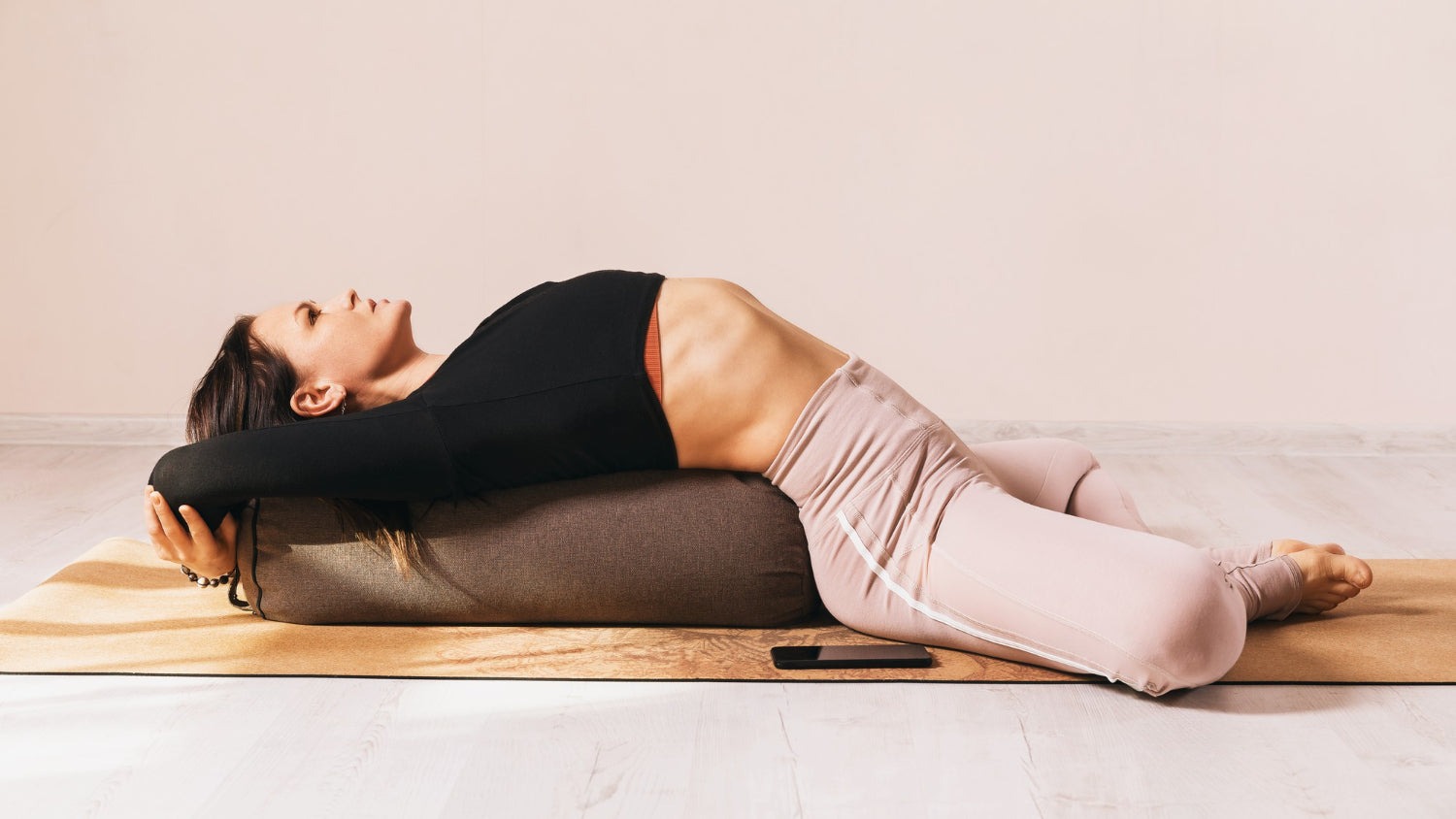
It’s no secret that modern life can leave us feeling drained, whether due to work, family responsibilities, or the constant hustle of everyday activities. Many of us have experienced the overwhelming feeling of exhaustion that just doesn’t seem to go away, no matter how much sleep we get. While tiredness can be caused by numerous factors, ranging from vitamin deficiencies to stress, it’s also common for our daily routines to exacerbate the feeling of fatigue.
Yoga offers a powerful tool to not only stretch and strengthen your body but to also restore your mental energy and provide much-needed relaxation. The beauty of yoga is its versatility; it can be both calming and energizing, depending on the sequence of poses. If you find yourself lacking energy but don’t want to push yourself with high-intensity exercise, yoga may be the perfect solution. Below are eight yoga poses that can help you recharge, relieve stress, and boost your energy in a sustainable and soothing way.
1. Balasana (Child’s Pose), Variation

While Child’s Pose is typically associated with rest, this variation is an excellent way to begin your practice by honoring your body’s current energy levels. Instead of diving directly into more stimulating poses, start with this grounding, restorative position to reconnect with your breath and center your mind.
How to:
-
Start by kneeling on the mat with your big toes together and knees separated.
-
Place a block in front of you, then fold forward, resting your forehead on the block.
-
Reach your arms out in front of you and bend your elbows slightly, lifting your forearms off the ground.
-
Imagine pressing your armpits toward the floor while simultaneously reaching your chest forward.
-
Hold for 10 deep breaths.
This pose helps activate the back, stretching it gently while allowing the heart to open, creating a balance of relaxation and subtle activation.
2. Bitilasana/Marjaryasana (Cat-Cow Pose)

Cat-Cow is a fundamental yoga pose sequence that works wonders in boosting circulation and awakening the body. This movement gently massages your spine and helps stimulate energy flow through the chest and lungs. The rhythmic motion of these two poses is perfect for warming up the body and revitalizing it.
How to:
-
Begin in a tabletop position with wrists directly under shoulders and knees under hips.
-
Inhale as you lift your head and chest into Cow Pose, arching your back, and lengthening the tailbone.
-
Exhale as you round your spine, dropping your head and engaging your belly in Cat Pose.
-
Repeat the movement for five full cycles, linking each breath with the movement of your spine.
This sequence encourages deep breathing and helps oxygenate the body, which boosts your energy and mood.
3. Low Lunge, Variation

Low Lunge stretches your hip flexors and opens up the chest, helping release tension that often contributes to stress and fatigue. The hip flexors are also closely tied to the adrenal glands, which help regulate your body’s response to stress. By stretching and releasing these muscles, you encourage a more balanced energy flow throughout the body.
How to:
-
Start in Downward Facing Dog, then step your right foot between your hands into a low lunge.
-
Lower your left knee to the mat and inhale, reaching your arms overhead.
-
On the exhale, bend your elbows and squeeze your shoulder blades together, opening your chest.
-
Repeat for five breaths before switching sides.
This pose activates the psoas muscles and helps stimulate the adrenal glands, promoting a sense of energy and relaxation.
4. Urdhva Mukha Svanasana (Upward Facing Dog), Variation
Upward Facing Dog is a backbend that opens up the chest and stimulates the spine. It also strengthens the arms, wrists, and core. By practicing this pose, you stimulate the energy centers of your body, helping to boost your mood and increase alertness.
How to:
-
From Downward Dog, shift into a Plank position and lower yourself to the floor.
-
Inhale as you press into your palms and lift your chest, keeping your legs engaged.
-
Open your chest and roll your shoulders back to lift the heart forward.
-
Hold for five breaths before returning to Downward Dog.
This posture stretches the chest and spine while stimulating the body’s energy flow.
5. Virabhadrasana II (Warrior II Pose), Variation

Warrior II is a powerful standing pose that helps build strength and stamina while enhancing energy levels. The grounding nature of this pose, paired with an expansive arm stretch, helps to open the chest and boost circulation, providing an energy lift.
How to:
-
Start in Downward Facing Dog and step your right foot forward between your hands.
-
Rotate your left foot outward, so your heel is aligned with your right foot, and come into a deep lunge.
-
Raise your arms parallel to the ground, palms facing down, and turn your head to look over your right hand.
-
Hold for eight breaths, then repeat on the left side.
Warrior II engages the legs and core, strengthening the body while also promoting mental focus and alertness.
6. Ustrasana (Camel Pose), Variation
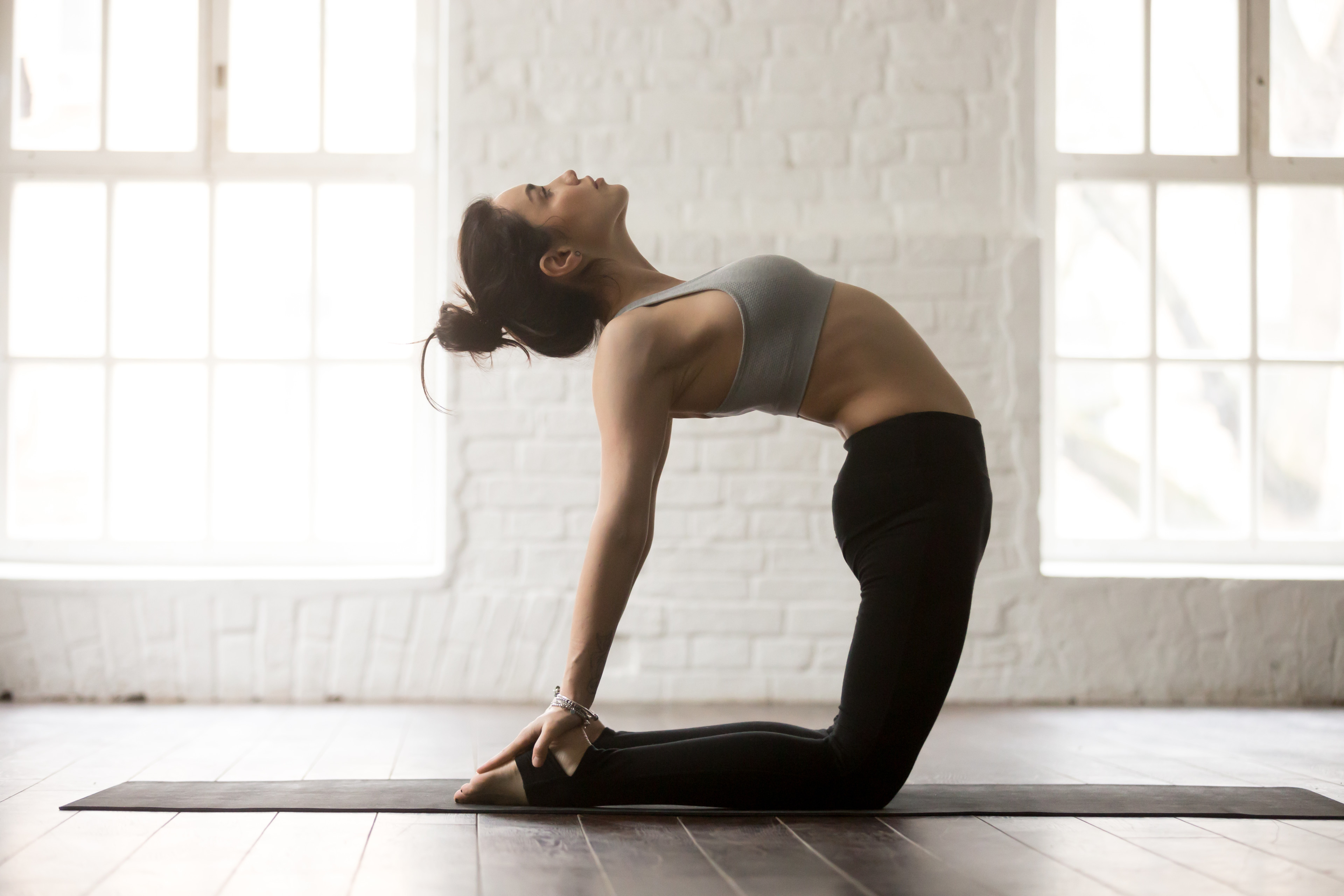
Camel Pose is a deep backbend that opens the chest and stimulates energy flow through the body. It’s particularly helpful for combating the sluggishness that can arise from poor posture and prolonged sitting.
How to:
-
Begin in a kneeling position with feet hip-width apart.
-
Place your hands on your lower back for support, then inhale and lengthen your spine.
-
On the exhale, arch back, reaching for your heels (if comfortable), and extend your chest toward the sky.
-
Hold for five breaths, then return to the starting position.
This deep backbend revitalizes the body and boosts energy by stretching the entire front of the body and opening the chest.
7. Bharadvajasana (Bharadvaja’s Twist)
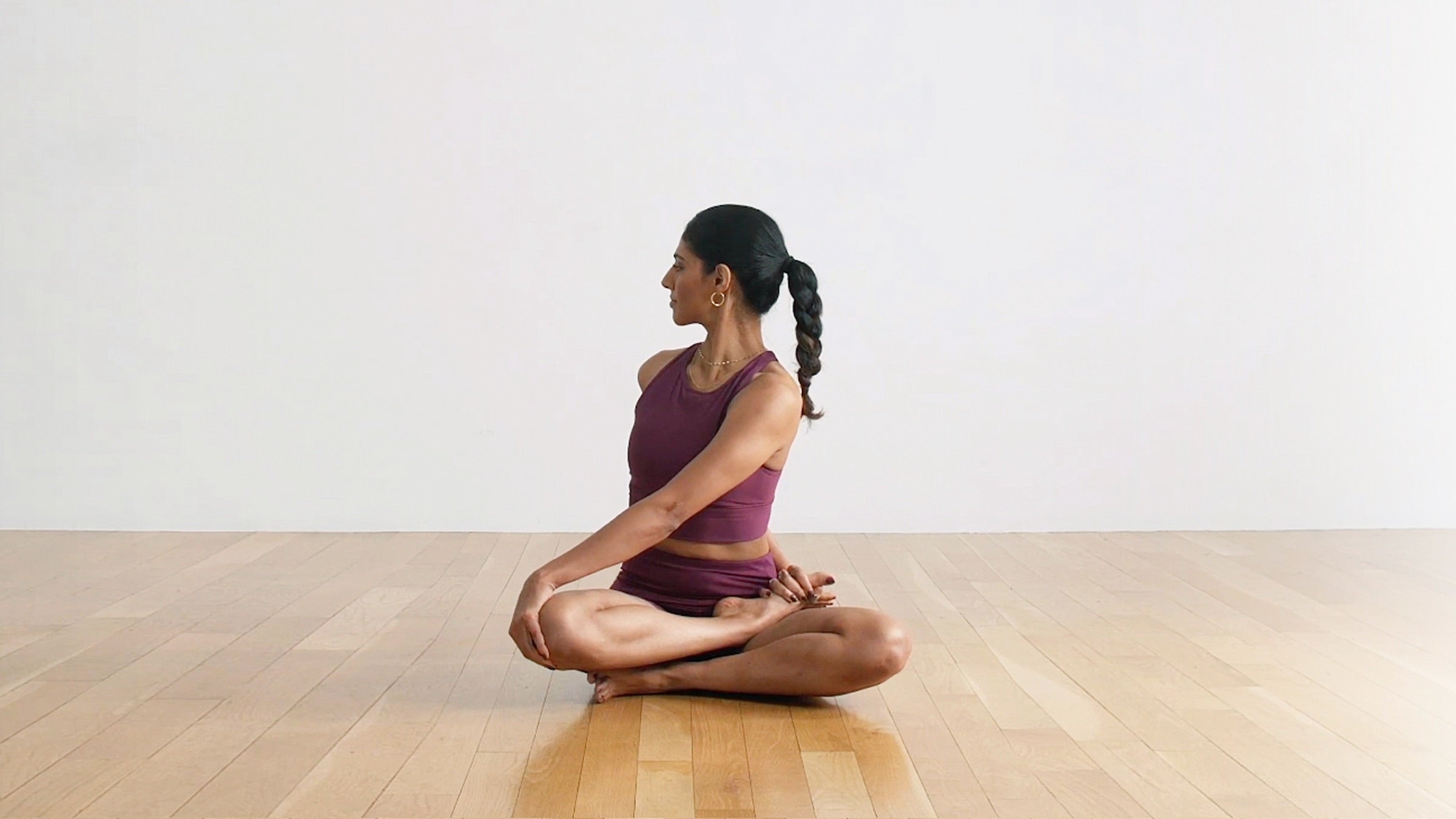
Twists are an excellent way to balance the energy in your body, especially after working through intense movements. Twists help detoxify the body by stimulating internal organs and promoting better digestion, which can contribute to an overall increase in energy levels.
How to:
-
Sit on the mat with your legs bent and feet together.
-
Place your right hand on your left knee and your left hand behind you for support.
-
Inhale to lengthen your spine, then exhale and twist to the left.
-
Stay for five breaths, then switch sides.
This seated twist promotes spinal health and encourages energy flow, especially when you’ve been sitting for long periods.
8. Supta Baddha Konasana (Reclining Bound Angle Pose)
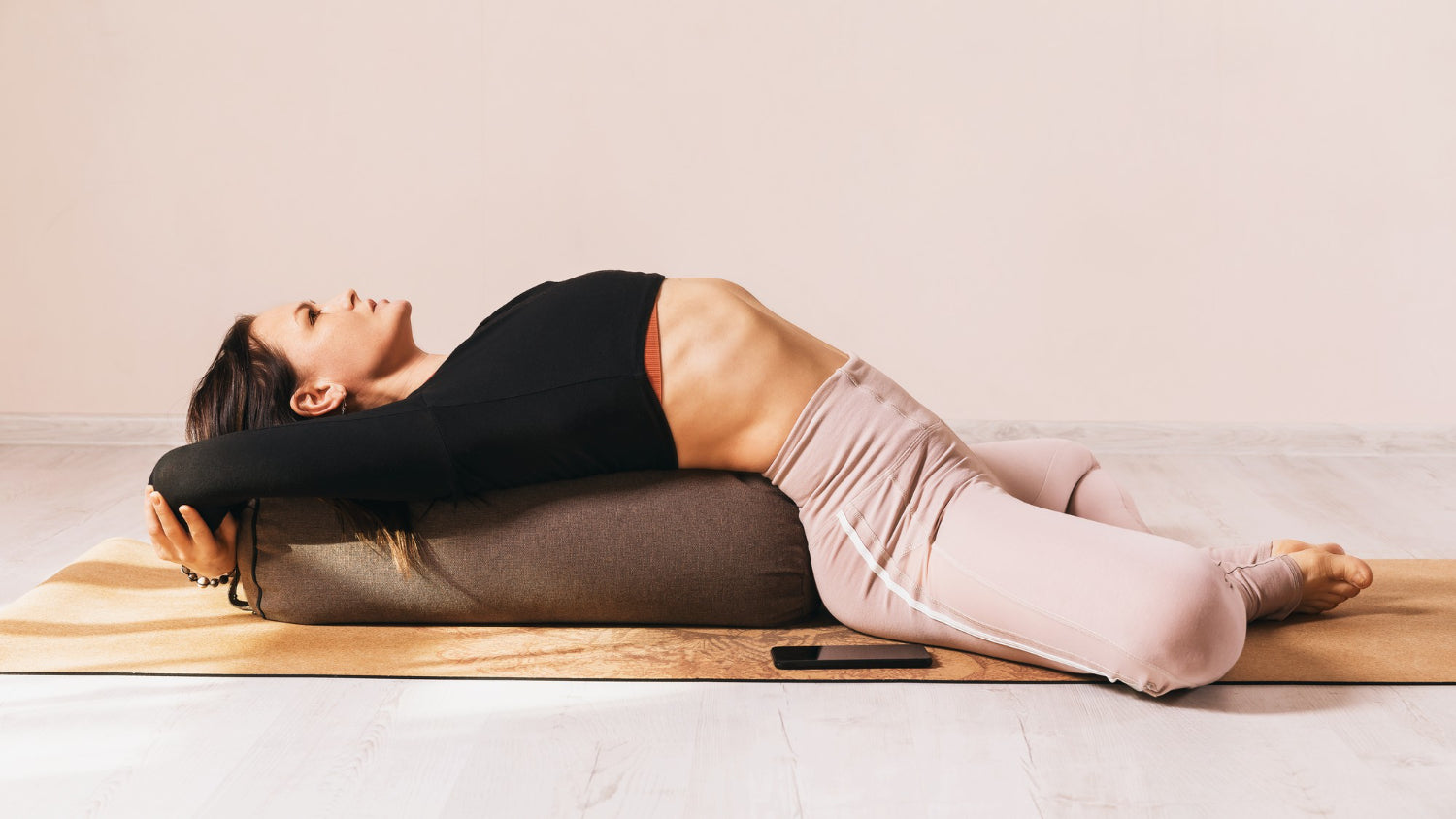
Reclining Bound Angle Pose is a gentle, restorative pose that encourages deep relaxation and energy restoration. It’s an excellent way to close your practice and allow the body to fully absorb the benefits of the preceding poses.
How to:
-
Sit in front of a bolster or folded blankets, placing your sacrum at the edge.
-
Lie back over the bolster and bring your soles together, letting your knees fall outward.
-
Place blocks under your knees for support if needed, and close your eyes to relax.
Hold this pose for 5-10 minutes, focusing on your breath and allowing your body to recharge and rejuvenate.
Conclusion: A Revitalizing Practice for Sustained Energy
Yoga is a powerful tool to both energize and calm the body, mind, and spirit. By incorporating these eight poses into your routine, you can create a balanced practice that supports sustainable energy levels, enhances mood, and reduces stress. Remember that energy isn’t just about feeling wired or overstimulated; it’s about finding a sense of equilibrium and awareness in your body.
Yoga offers a unique opportunity to listen to your body’s needs and tailor your practice accordingly. Whether you’re looking to boost your energy levels or simply unwind, these asanas are a wonderful way to nurture your body, mind, and soul